Prototipos de PCB de forma sencilla

Servicio completo para prototipos de PCB personalizados.

Centro de Ayuda
Enviando un mensaje
9:00 - 23:00, Mon.- Sun. (GMT+8)
Líneas directas de servicio
+86 571 8503 9969

9:00 - 18:00, Mon.- Fri. (GMT+8)

9:00 - 12:00, Sat. (GMT+8)

(Excepto los días festivos chinos públicos)

¿Cómo podemos ayudar?

Guía de anodizado de aluminio CNC para un mejor acabado superficial y control del color

What Is Anodizing?

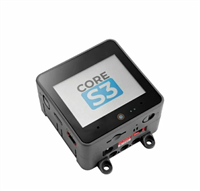
Anodizing is an electrochemical surface treatment process that forms an oxide layer on the surface of aluminum alloys. Unlike conventional coatings, the anodized layer is created by converting the aluminum surface itself through an electrochemical reaction, providing better adhesion, wear resistance, and corrosion resistance. Therefore, anodizing is widely used for CNC machined aluminum parts, electronic housings, aerospace components, and other applications.

DSC08132(1).jpg


Main Benefits of Anodizing

Improve Corrosion Resistance and Wear Resistance

The dense aluminum oxide layer acts as a protective barrier against air, moisture, and certain chemical media, improving the corrosion resistance of aluminum parts.

The hardness of the anodized layer is significantly higher than that of untreated aluminum surfaces, helping reduce scratches and wear while extending the service life of components.

Hard anodizing is also suitable for high-wear applications, such as pistons, cylinders, guide rails, and precision mechanical components.

Improve Appearance and Enable Color Customization

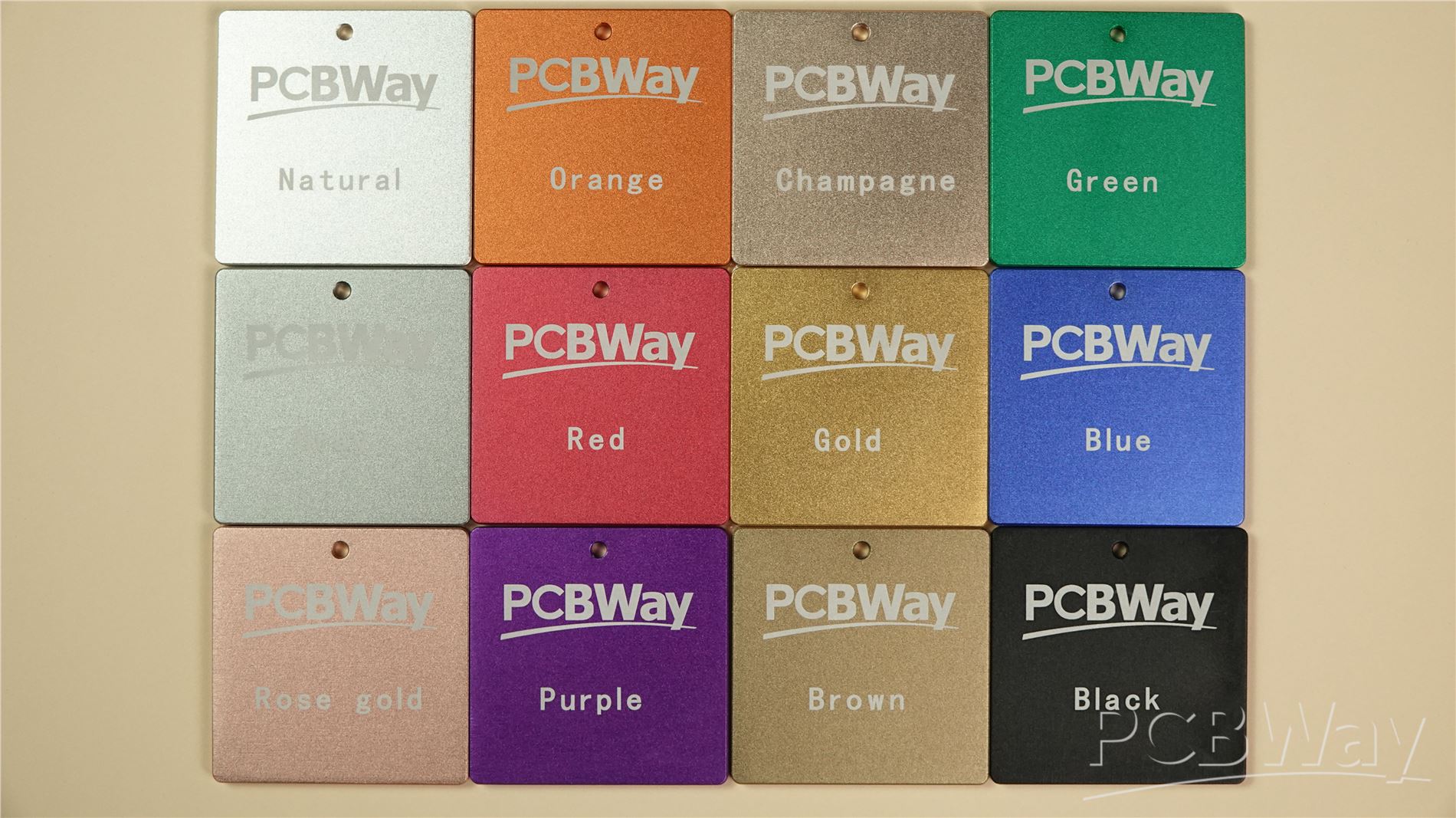
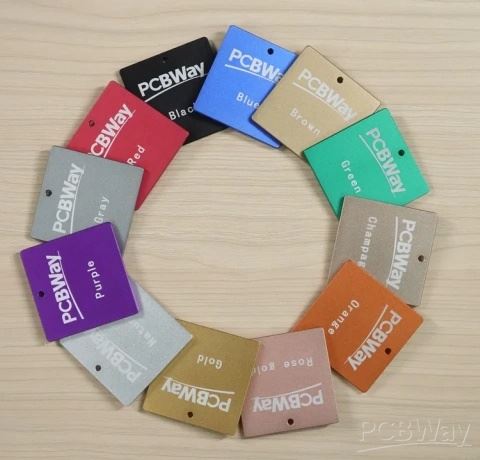
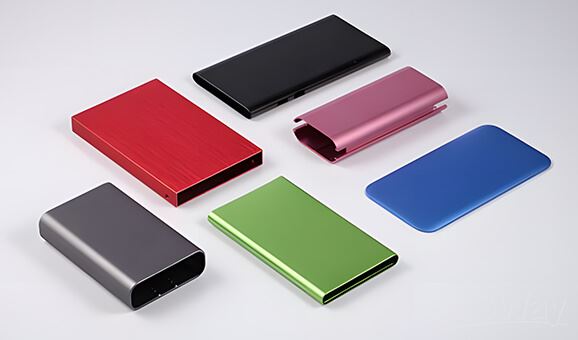
The anodized layer has a porous structure that allows dyes to penetrate the surface, enabling color options such as black, red, blue, and gold.

Compared with painting, anodized colors are less likely to peel off, while maintaining the natural metallic appearance and providing a finer surface finish.

Provide Electrical Insulation

Aluminum oxide is an insulating material that can reduce the electrical conductivity of the aluminum surface, making anodized aluminum suitable for certain electronic and electrical applications.

Improve Adhesion for Subsequent Processes

The microporous structure of the anodized layer can improve the bonding strength of subsequent treatments, such as painting and adhesive bonding.


Causes of Color Variation in Anodizing

Material Differences

Different aluminum alloy grades (such as 6061, 5052, and 7075) and material batches can produce different anodizing results due to variations in alloying elements, which affect oxide layer formation.

Even within the same material batch, differences in grain structure and extrusion conditions may cause slight color variations after anodizing.

Surface Conditions Affect Anodizing Results

The surface condition before anodizing directly affects the final appearance and color consistency. The following factors may lead to uneven colors:

● Scratches

● Machining marks

● Oil contamination

● Cutting fluid residue

● Variations in surface roughness

Changes in Anodizing Process Parameters

Process parameters such as current density, anodizing time, electrolyte temperature, and sulfuric acid concentration can affect oxide layer thickness and pore structure, resulting in differences in color shade.

Dyeing Process Variations

For colored anodizing, the final color is affected not only by the dye itself but also by factors such as:

● Oxide layer thickness

● Porosity of the anodized layer

● Dyeing time

● Dye concentration

Therefore, even with identical dyeing parameters, different aluminum materials may produce slightly different colors.

1023021953be705d31cb1416fb99df2b3088664177401.jpg


How to Reduce Color Variation in Anodized CNC Aluminum Parts

Use the Same Material Batch

Whenever possible, use aluminum materials with the same alloy grade, supplier, and production batch to minimize color differences caused by material variations.

Maintain Consistent Surface Preparation Before Anodizing

For parts produced in the same batch, use consistent machining parameters and tooling conditions to achieve uniform machining marks and avoid localized surface defects.

Anodize Parts in the Same Batch

Avoid splitting parts from the same project into multiple anodizing batches. Even with identical process settings, different anodizing batches may still result in slight color differences.

Provide a Color Reference Sample

For products with strict appearance requirements, it is recommended to create a sample part for color approval before starting mass production.


Anodizing is an electrochemical surface treatment process, not simply a coating applied over the surface. Therefore, the final color is influenced by material properties, surface conditions, and anodizing parameters. Even when using the same color specification, slight color differences may occur between different production batches.

For applications with strict cosmetic requirements, color variation can be minimized by using consistent material batches, maintaining uniform machining processes, and approving a color reference sample before production.

Anodized-2.jpg


Anodizing is one of the most widely used surface treatments for CNC machined aluminum parts. It improves corrosion resistance, wear resistance, and surface appearance while maintaining the lightweight properties of aluminum alloys. Since anodized colors are affected by materials, machining conditions, and anodizing processes, understanding these influencing factors helps achieve more consistent and predictable results.

PCBWay provides CNC machining and various surface finishing services, including anodizing, bead blasting, and polishing. Customers can choose suitable finishing solutions based on their part requirements and application needs.


Comentarios (0)
Este mensaje aquí es solo una sugerencia que complementa el contenido anterior y no para operaciones comerciales como pedidos. Si tiene alguna pregunta urgente o problemas con el pedido, comuníquese con su representante de ventas.
Subir foto
Solo puede subir 5 archivo en total. Cada archivo no se puede exceder los 2 MB. Admite JPG, JPEG, GIF, PNG, BMP
0 / 10000